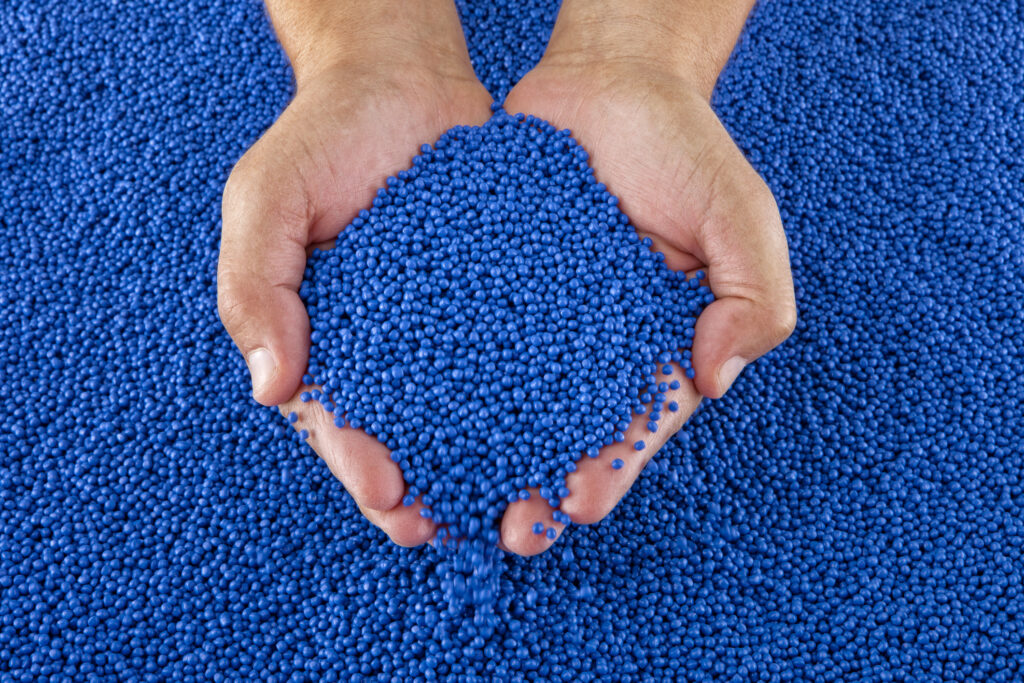
To support safer assessments of plastic additives and associated chemicals, ECETOC just launched a Task Force dedicated to evaluating the state of the science and applying risk assessment principles t...
ECETOC is launching the Polymer Analytics Task Force to develop and standardize methods for analysing polymer properties essential for safety assessment. This initiative comes in response to the growi...
This software was developed by a consortium of partners to facilitate the uptake of novel approaches to estimate aquatic threshold concentrations (e.g. the concentration at which 5% of the species are exposed above their EC50, HC5).
Background
Recent opinions published by the RAC on low top dose selection in animal toxicity studies have indicated an apparent intent of increasing dosages systematically in view of the criteria u...
Background
There are increasing public and regulatory concerns regarding potential health risks posed by aggregate exposure, i.e. exposure to (the same) substance from multiple sources via multiple...
Background
Recent progress in the scientific understanding of the underlying processes of persistence and degradation has provided an opportunity to develop an improved framework and best practices...
DOC 033 : 'Environmental Oestrogens': A Compendium of Test Methods | July 1996Against a background of increasing concern about the potential for natural and synthetic chemicals to affect reproduct...
DOC 032 : 'Environmental Oestrogens': Male Reproduction and Reproductive Development | January 1998The paper was developed to review the currently available data relevant to the putative effects o...
DOC 013 : The Organisation of Jointly-Sponsored (Eco)Toxicological Studies| December 1980ECETOC members sometimes participate in (eco) toxicological studies, jointly sponsored at a contract labora...
Why?
The current development of NAMs in the field of endocrine disruption (ED) is very active as the concept of ED is evolving in various areas of toxicology including liver toxicity/xenobiotic met...